Precious stones from the Bohemian Paradise

The brothers Jan and Václav Fišers from Turnov. Their alleged voyage to Venice, five years of efforts to seize the local secret of secrecy, return to Turnov, dozens of wasted attempts and then - finally success! In 1711 they made the first glass for the production of artificial stones.

THE GLASSHOUSE IN NOVÝ SVĚT

It was in 1712, when Elias Müller built his glassworks on the estate of the Harrach Counts in Jilemnice. It continued in the traditional production of glass, which was produced on the border of the Giant Mountains and the Jizera Mountains in the middle of the 14th century. Even today, you can see not only metallurgical production and blowing glass, but also a hundred-year-old grinding shop. It is driven by a water turbine and transmissions used to distribute the driving force.

ELIAS PALME

Elias Palme, one of the most famous luminaire manufacturers, continued the tradition of chandeliers in Kamenický Šenov. Industrial production of chandeliers was started in 1724 by Josef Palme in Prácheň.

ELDORADO OF BEADS AND SEED BEADS

Surely you would not find in the whole Principle and in the broad surroundings of a person who would say a crooked word about Jan Šourek. After all, it was as if he had come to the Principle of Prosperity and Welfare. As soon as he took possession of the reeve, life in the village began to turn for the better. He was one of the first to venture into the world for business.

JOSEF RIEDEL

Josef Riedel, king of the Jizera Mountains glassmakers, was born in Hejnice in 1816. He was the representative of the sixth generation of the glass family and imprinted his footprint indelibly on the slopes of the Jizera Mountains.

FRIEDRICH EGERMANN

JOSEF PFEIFFER

Josef Pfeiffer - Jablonec entrepreneur and mayor, who was involved in the development of jewelery exports. Everything is confirmed at the imperial court and in 1866 Jablonec became a town during his reign.

BLOWN BEAD and its way to the tree

People can make sense of time and numbers, but not us, beads. However, I have heard that they have been blowing me in the mountains for more than a hundred years. As a bead would put it, that is a long time. You, who have never seen how a bead is born, you don´t know how beautiful life can be....

MELTED GLASS SCULPTURE

In 1920 the first Czech glass school was founded in Železný Brod, thanks to which the town became a center of glass art.

Mapa

Lhotský

Address

KOTELNA 1859, Průmyslová 912, 468 22 Železný Brod
Navigate to

Phone

+420 773 790 136

E-mail

kulhava@lhotsky.cz

Opening hours


After previous order, min. 1 day in advance.

Maximum number of people in the group: 30

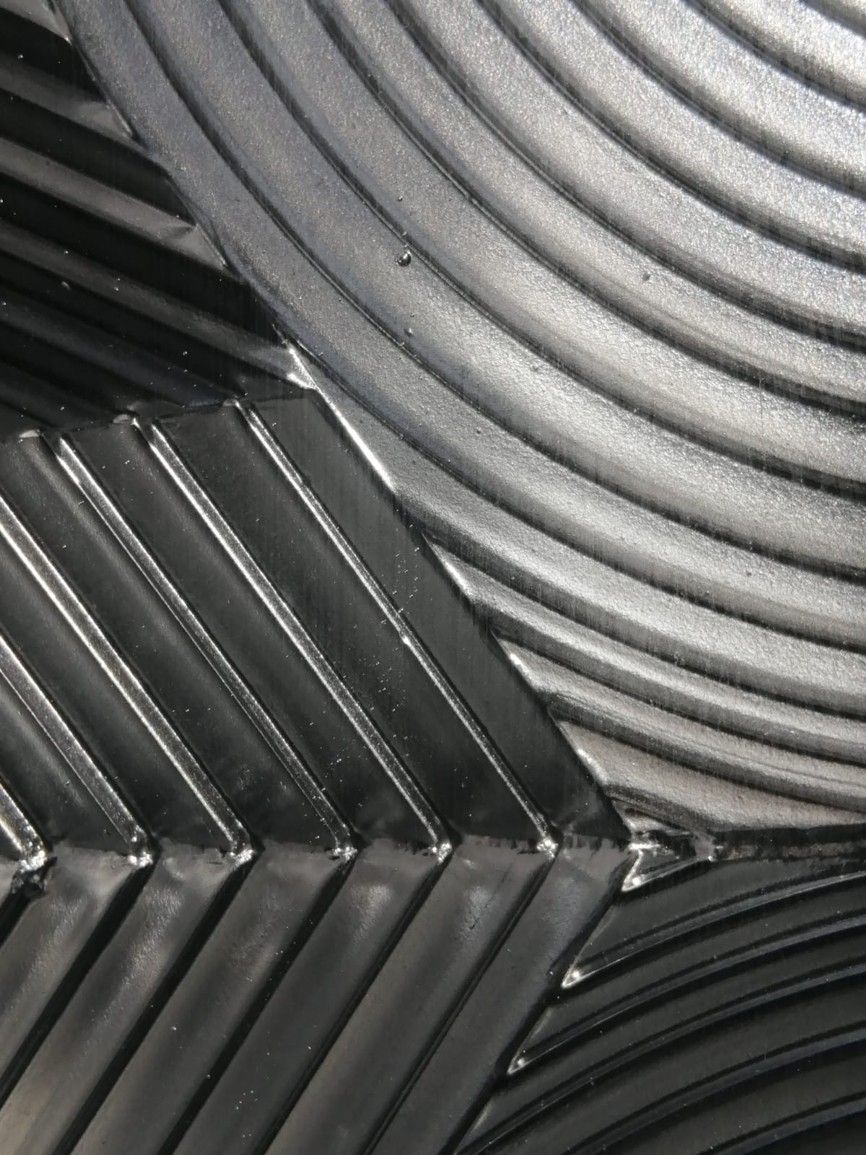
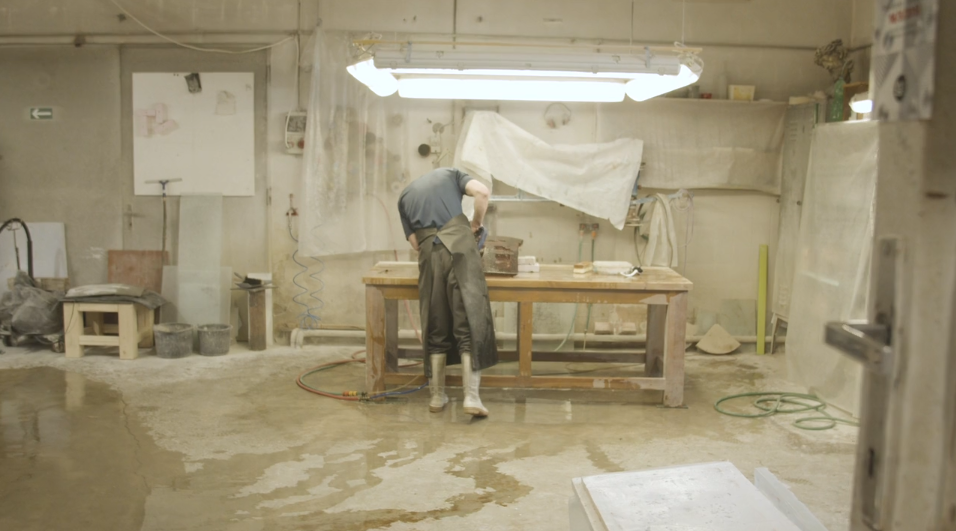
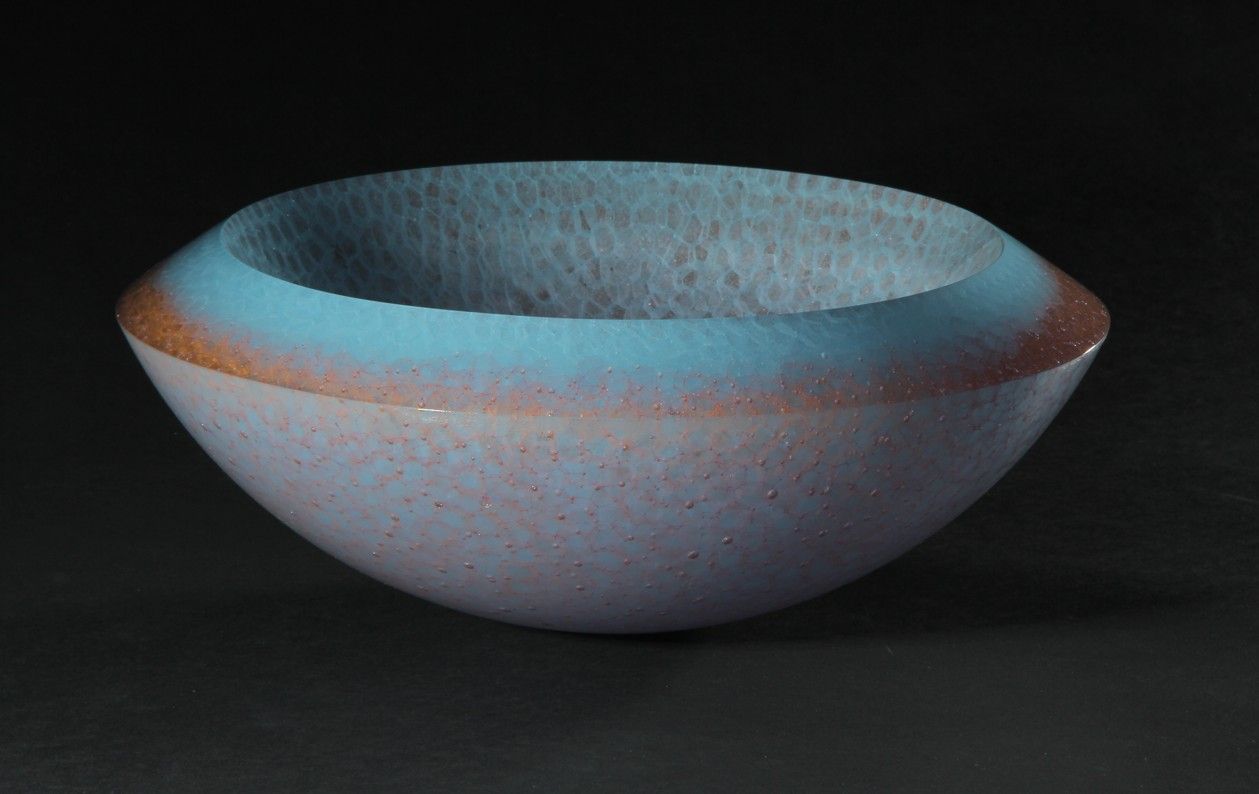
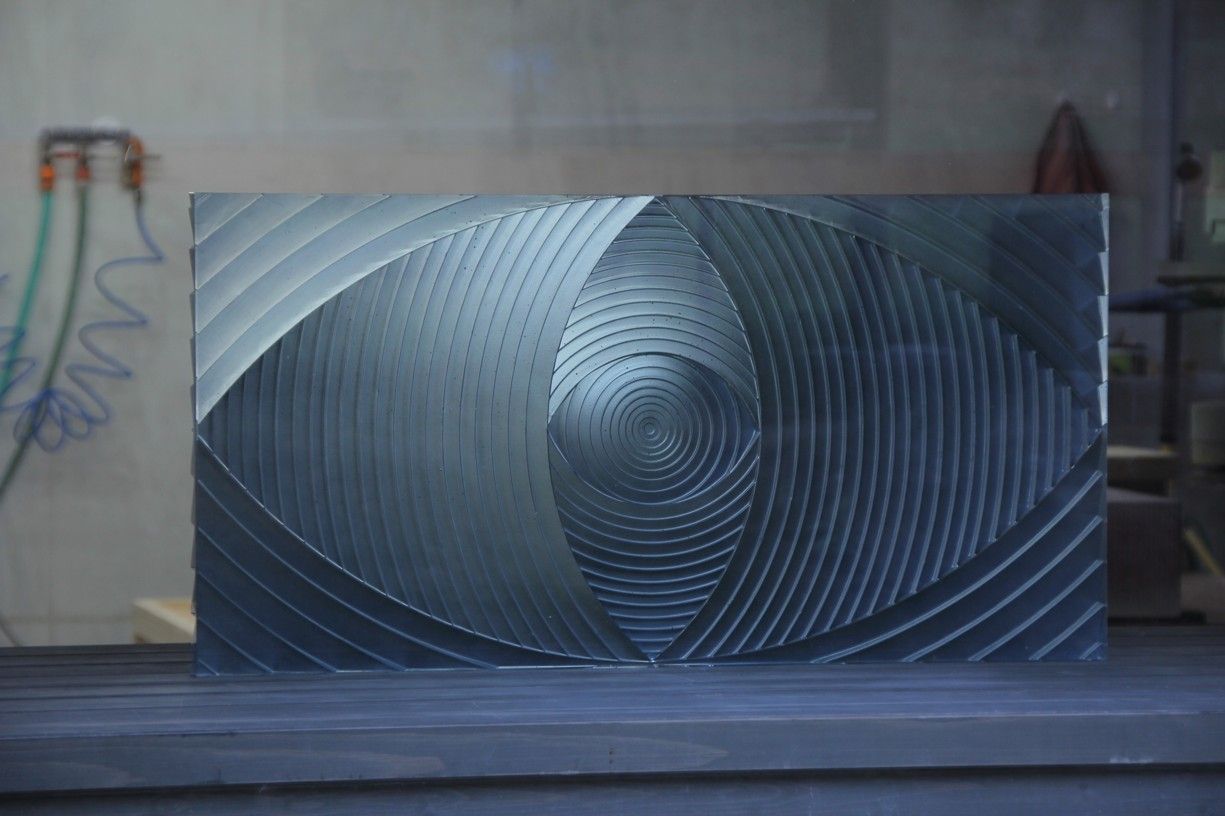
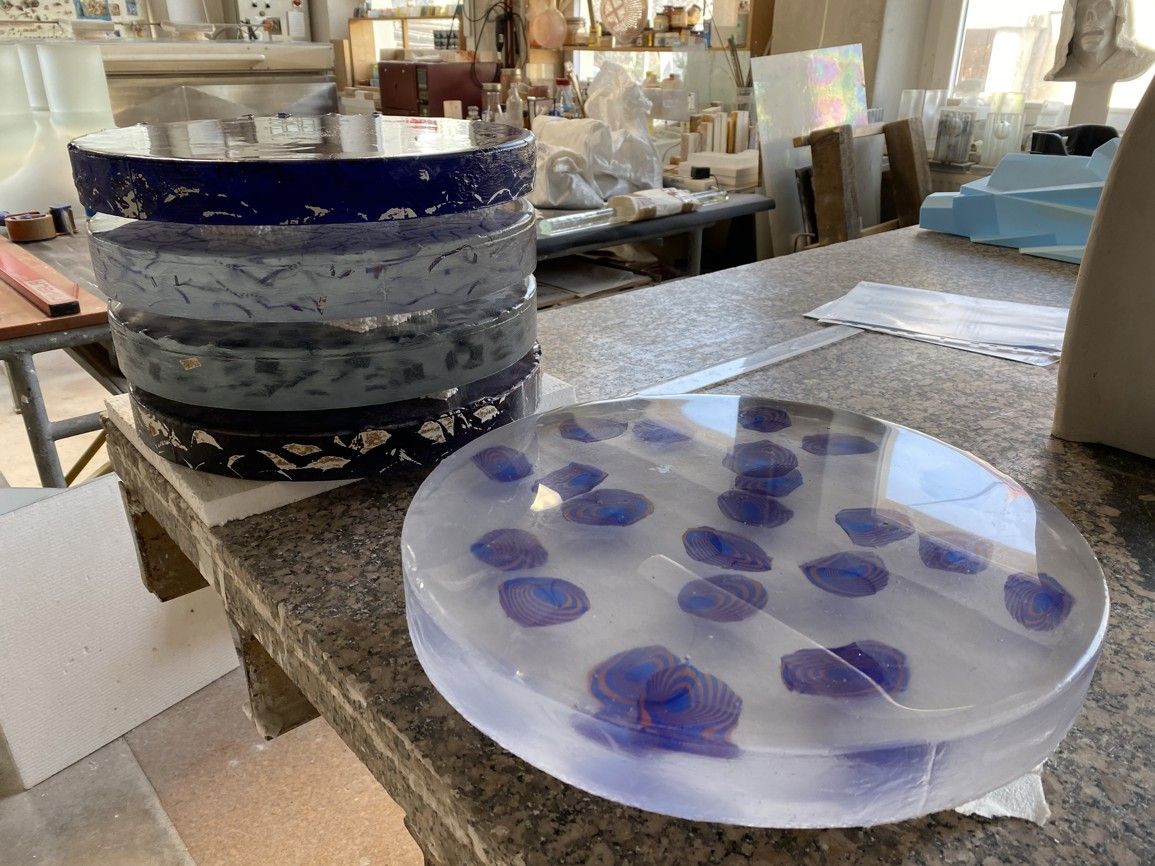
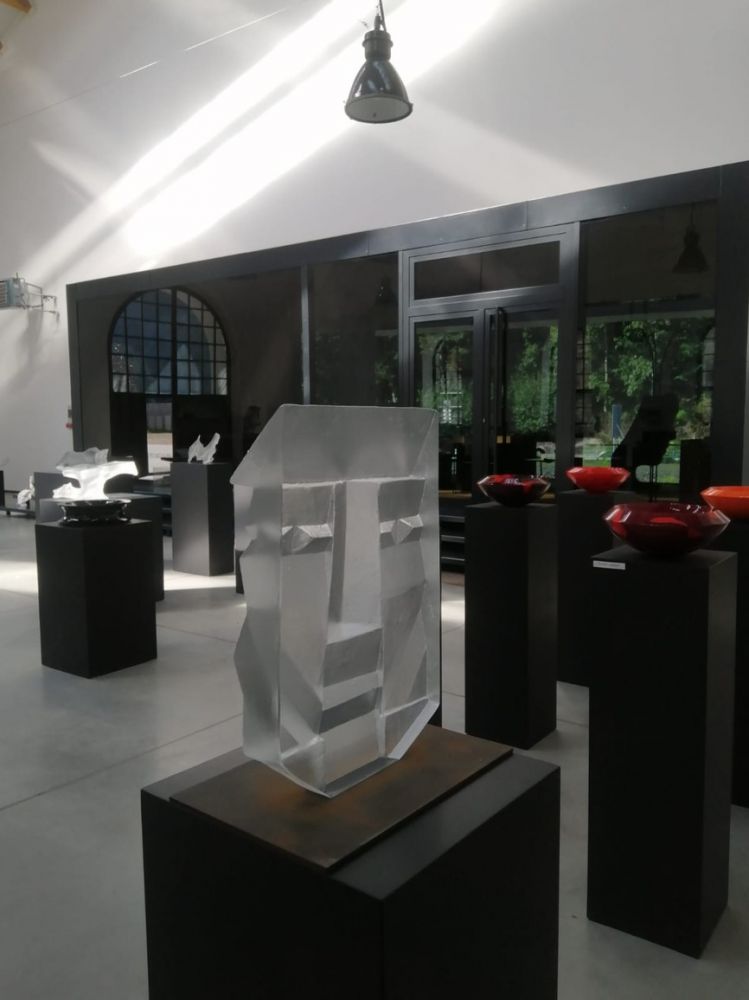
The studio for molten glass sculptures in Železný Brod is a world leader in the creation of monumental works of art and architectural elements from cast glass. A team of top technologists and glass cutters transforms the visions of leading international designers into unique objects that adorn prestigious museums, private collections, and sacred spaces such as Roskilde Cathedral and Barcelona's Sagrada Família.

The studio proudly continues the tradition established in the middle of the last century by legendary artists Stanislav Libenský and Jaroslava Brychtová. The current owner and successor to this legacy, Zdeněk Lhotský, is pushing the boundaries of the field through continuous technological research and original work. His innovative approach, including, for example, Vitrucell technology for exterior installations, has secured him a permanent place in the exhibitions of the most important galleries from Tokyo to New York.

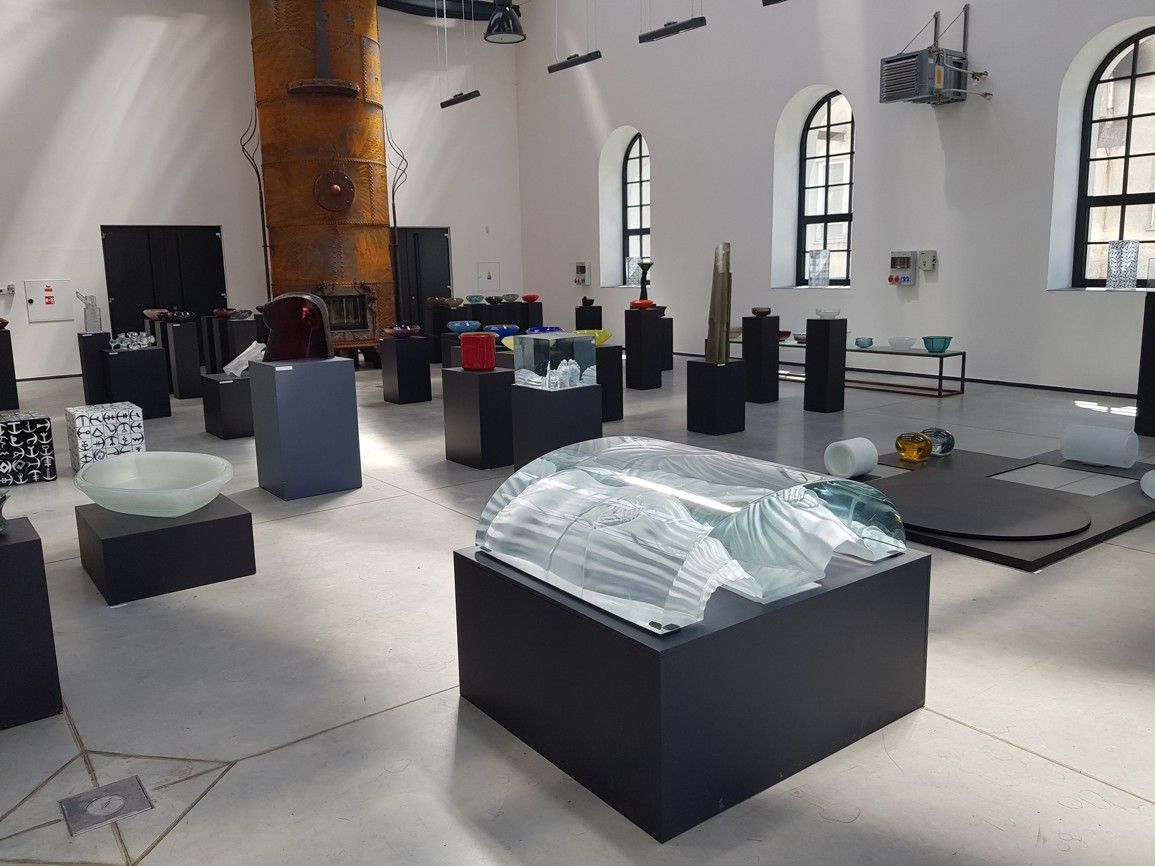
A visit to the Kotelna Gallery, located in a sensitively renovated industrial space of a former textile factory, offers an unforgettable experience. The exhibition of works by Zdeněk Lhotský and his collaborators creates a fascinating dialogue between the raw architecture and the fragile yet monumental aesthetics of molten glass. A tour of this unique complex, which can be arranged by prior appointment, offers a rare opportunity to look behind the scenes at the creation of works that, in terms of their weight and significance, transcend the boundaries of ordinary artistic production.