Precious stones from the Bohemian Paradise

The brothers Jan and Václav Fišers from Turnov. Their alleged voyage to Venice, five years of efforts to seize the local secret of secrecy, return to Turnov, dozens of wasted attempts and then - finally success! In 1711 they made the first glass for the production of artificial stones.

THE GLASSHOUSE IN NOVÝ SVĚT

It was in 1712, when Elias Müller built his glassworks on the estate of the Harrach Counts in Jilemnice. It continued in the traditional production of glass, which was produced on the border of the Giant Mountains and the Jizera Mountains in the middle of the 14th century. Even today, you can see not only metallurgical production and blowing glass, but also a hundred-year-old grinding shop. It is driven by a water turbine and transmissions used to distribute the driving force.

ELIAS PALME

Elias Palme, one of the most famous luminaire manufacturers, continued the tradition of chandeliers in Kamenický Šenov. Industrial production of chandeliers was started in 1724 by Josef Palme in Prácheň.

ELDORADO OF BEADS AND SEED BEADS

Surely you would not find in the whole Principle and in the broad surroundings of a person who would say a crooked word about Jan Šourek. After all, it was as if he had come to the Principle of Prosperity and Welfare. As soon as he took possession of the reeve, life in the village began to turn for the better. He was one of the first to venture into the world for business.

JOSEF RIEDEL

Josef Riedel, king of the Jizera Mountains glassmakers, was born in Hejnice in 1816. He was the representative of the sixth generation of the glass family and imprinted his footprint indelibly on the slopes of the Jizera Mountains.

FRIEDRICH EGERMANN

JOSEF PFEIFFER

Josef Pfeiffer - Jablonec entrepreneur and mayor, who was involved in the development of jewelery exports. Everything is confirmed at the imperial court and in 1866 Jablonec became a town during his reign.

BLOWN BEAD and its way to the tree

People can make sense of time and numbers, but not us, beads. However, I have heard that they have been blowing me in the mountains for more than a hundred years. As a bead would put it, that is a long time. You, who have never seen how a bead is born, you don´t know how beautiful life can be....

MELTED GLASS SCULPTURE

In 1920 the first Czech glass school was founded in Železný Brod, thanks to which the town became a center of glass art.

The winner of the Stanislav Libenský Award 2025 is Josefína Váchová for her artwork entitled Muzeum Českého ráje - Christmas gift idea Christmas evening tours of the Crystal Temple We're great at Christmas! Christmas decorations from the region CRYSTAL VALLEY in 2026 Jablonec nad Nisou City Ball 2026 – Sparkling 160 Made in Jablonec 2026 Art Without Borders Exhibition Full House Award glass trophy from the Secondary School of Applied Arts for Glassmaking, Kamenický Šenov A jewelry collection inspired by pralines A new glass nativity scene from UrbanGlass is heading to Kryštofovo Údolí reGenerace7 GEN 105 - the fragility of form, the power of thought In Light of Stories CRYSTAL GARDEN – A glass symphony of light and music in fantastic installations The Glass Universe of Jan Exnar The exhibition of the family glass studio of Aleš and Zlata Zvěřinovi from Nový Bor is not ending! The new 2025 collection from Decor by Glassor POP_UP Opening CRYSTAL VALLEY WEEK 2025 Even Bridget Jones drinks from a glass of KLIMCHI XV. Stanislav Libenský Award 2024 - Tribute to Oldřichu Palatovi We are proud to announce that the CRYSTAL VALLEY WEEK 2024 glass festival has been awarded UNESCO auspices! Clothing and bead applications in the North Bohemian Museum in Liberec GLASS ONION: A KNIVES OUT MYSTERY Palme Glass Trail
The winner of the Stanislav Libenský Award 2025 is Josefína Váchová for her artwork entitled "Bilancio."
more
Muzeum Českého ráje - Christmas gift idea
more
Christmas evening tours of the Crystal Temple
more
We're great at Christmas!
more
Christmas decorations from the region
more
CRYSTAL VALLEY in 2026
more
Jablonec nad Nisou City Ball 2026 – Sparkling 160
more
Made in Jablonec 2026
more
Art Without Borders Exhibition
more
Full House Award glass trophy from the Secondary School of Applied Arts for Glassmaking, Kamenický Šenov
more
A jewelry collection inspired by pralines
more
A new glass nativity scene from UrbanGlass is heading to Kryštofovo Údolí
more
reGenerace7
more
GEN 105 - the fragility of form, the power of thought
more
In Light of Stories
more
CRYSTAL GARDEN – A glass symphony of light and music in fantastic installations
more
The Glass Universe of Jan Exnar
more
The exhibition of the family glass studio of Aleš and Zlata Zvěřinovi from Nový Bor is not ending!
more
The new 2025 collection from Decor by Glassor
more
more
POP_UP Opening
more
CRYSTAL VALLEY WEEK 2025
more
Even Bridget Jones drinks from a glass of KLIMCHI
more
XV. Stanislav Libenský Award 2024 - Tribute to Oldřichu Palatovi
more
We are proud to announce that the CRYSTAL VALLEY WEEK 2024 glass festival has been awarded UNESCO auspices!
more
Clothing and bead applications in the North Bohemian Museum in Liberec
more
Manual glass production is Intangible Cultural Heritage of Humanity
more
Stations of the Cross at the Church of St. Anne
more
GLASS ONION: A KNIVES OUT MYSTERY
more
Palme Glass Trail
more
Mapa

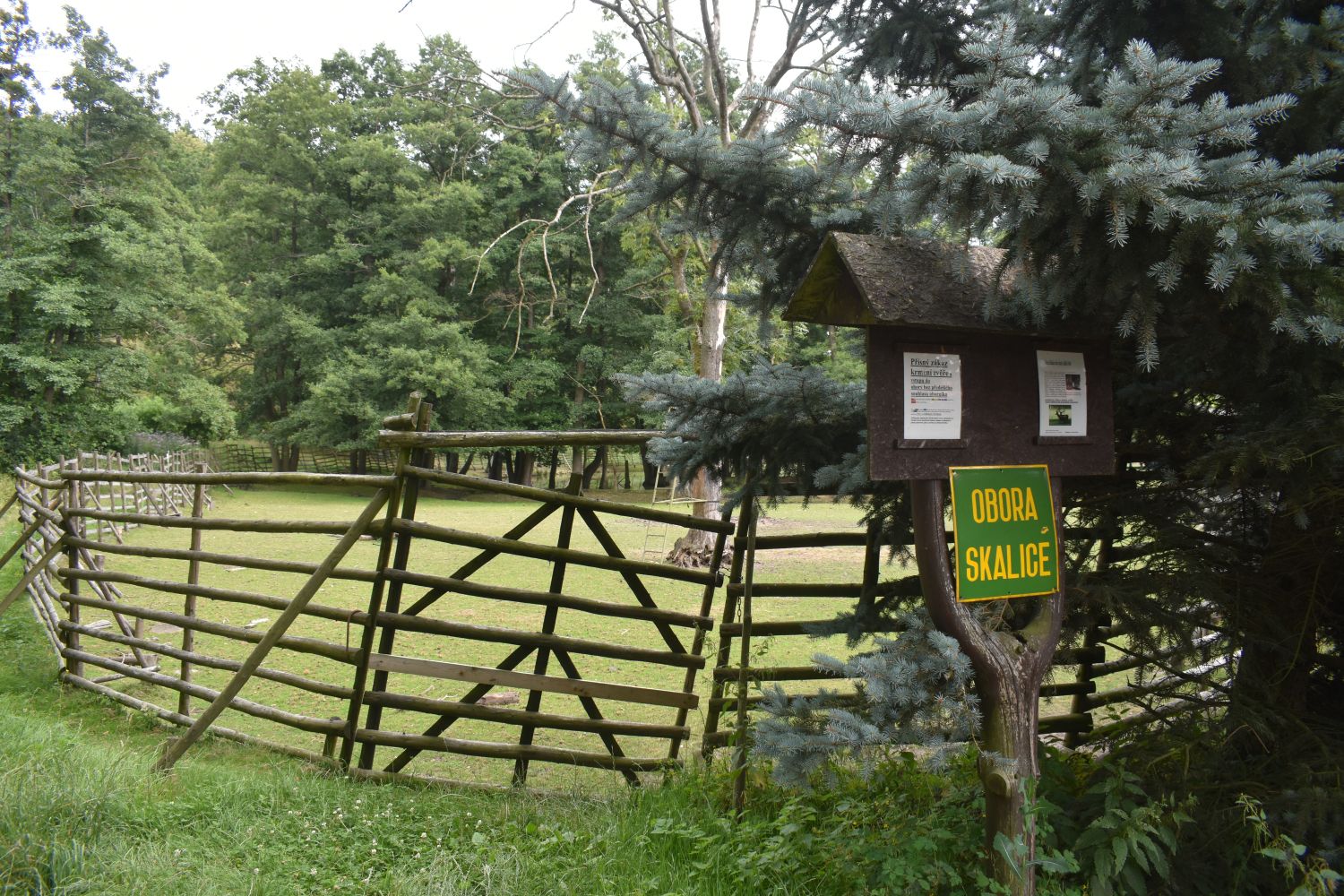
Skalice

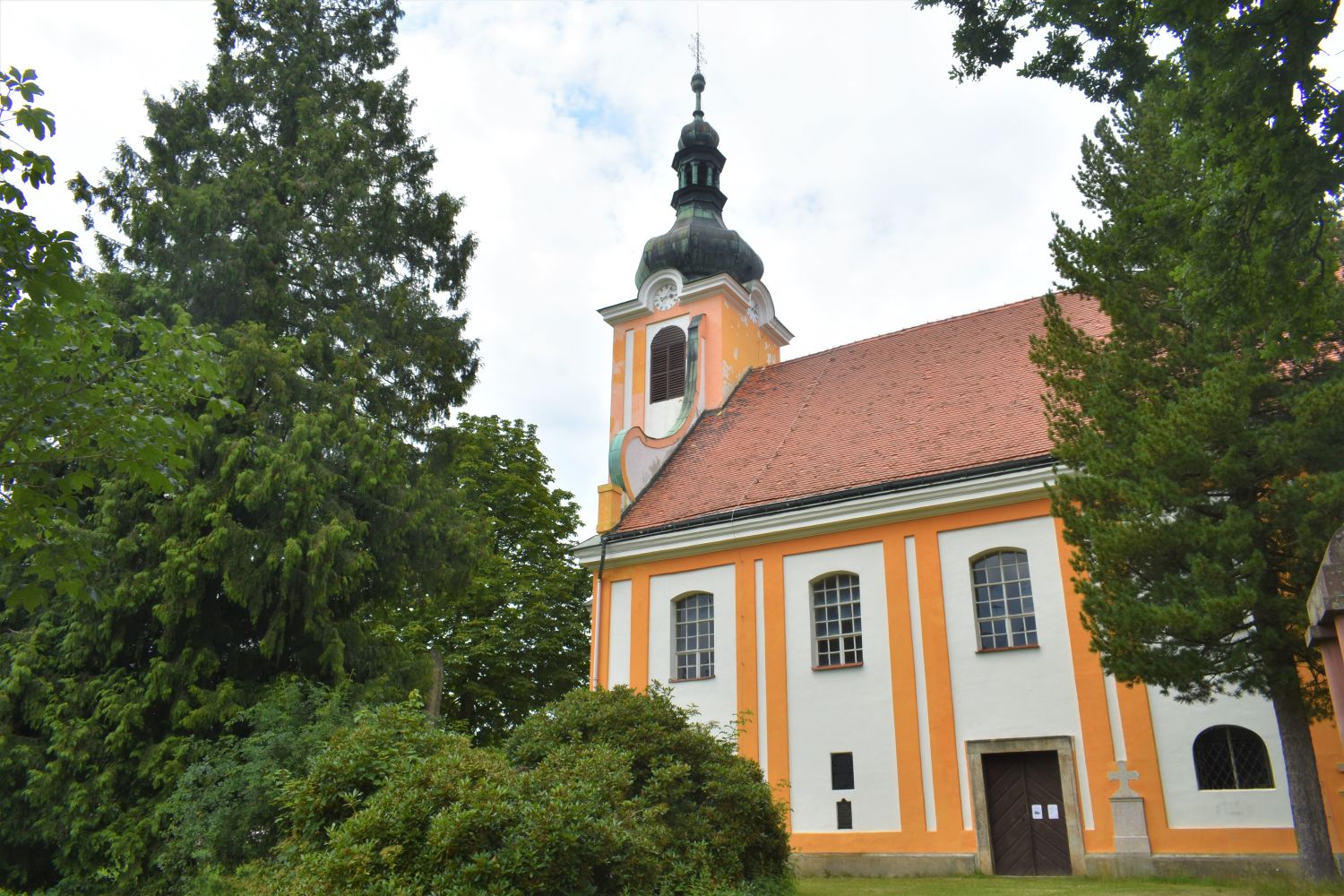
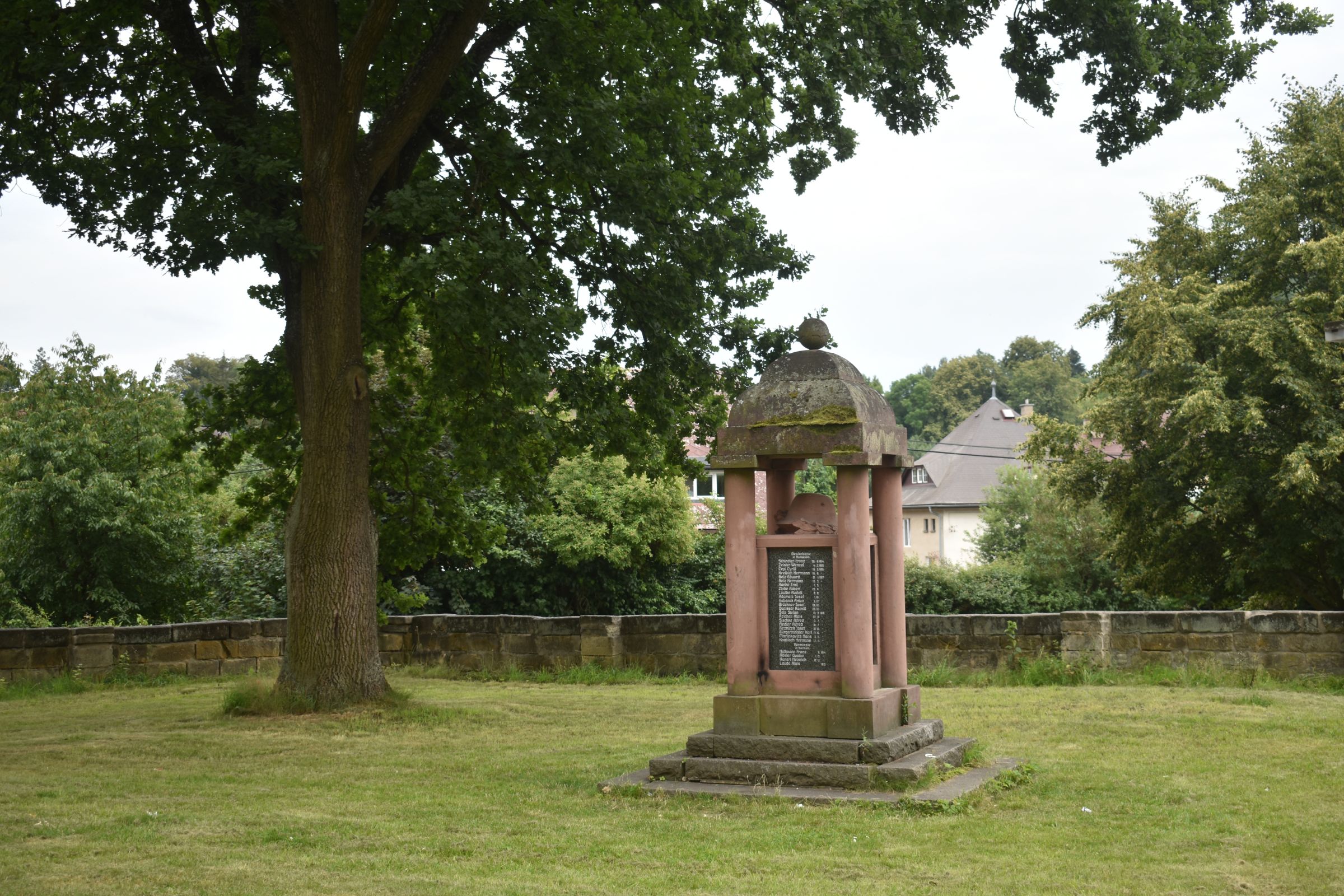
The village consists of two parts, Skalice and Svobodná Ves, which was formerly called Josefov. The first written mention of Skalice dates back to 1226, but old chronicles state that the first houses were built in the place of the present village as early as the end of the 12th century. From 1341 the smaller lower part of the village belonged to the manor in Horní Libchava and the larger upper part to the manor based at Sloup Castle. This status lasted until 1848.

Skalice was situated on the old provincial road from Bohemia to Lusatia. It was known and used for troop passages until the beginning of the 19th century. It also influenced the development of international trade, especially the export of glass from the Lusatian Mountains.

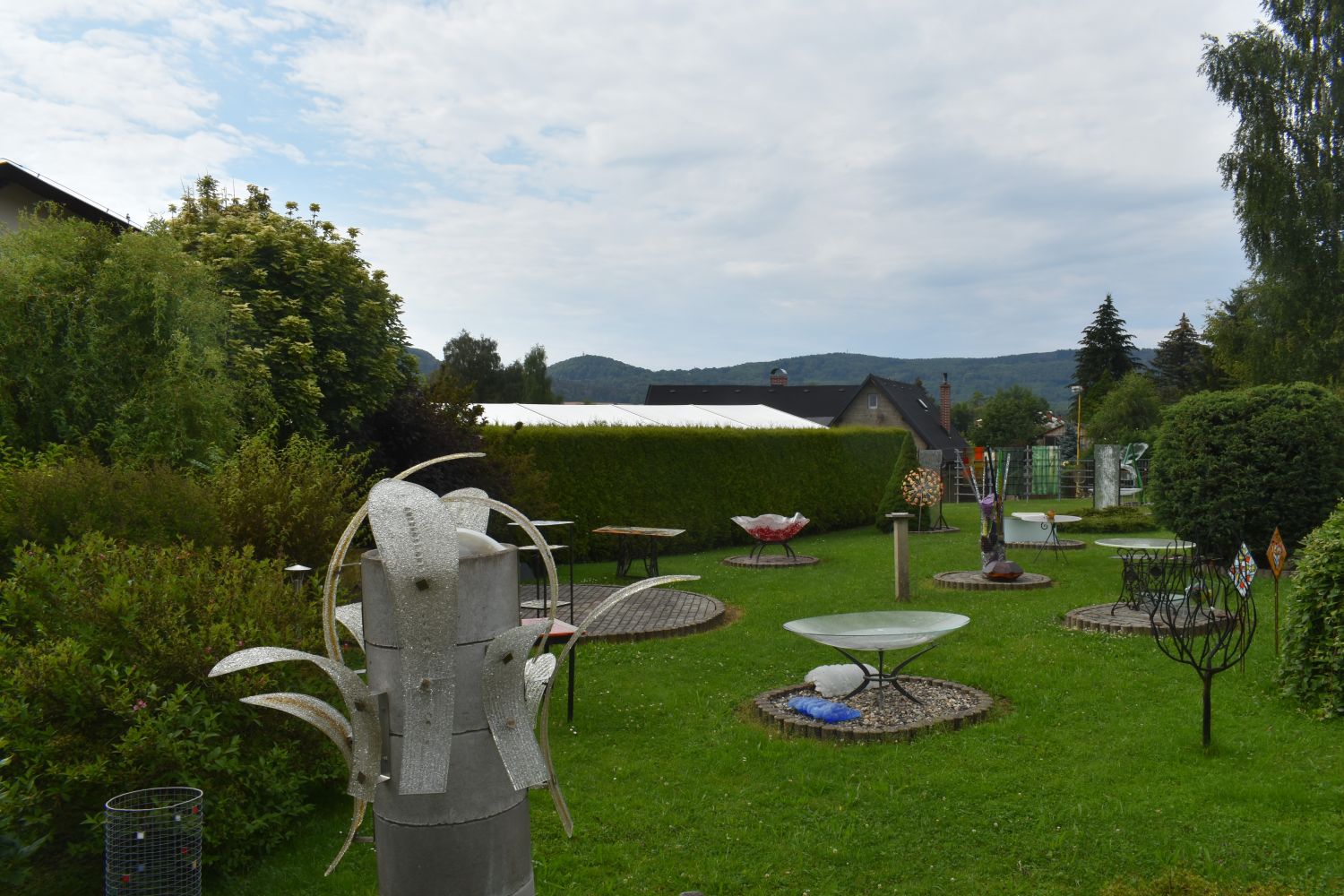
The population lived mainly by agriculture, but glassmaking began to develop in the 1630s. Especially after the Thirty Years' War, the importance of the local glass production increased and it became part of the area of production of high quality, so-called Czech crystal glass.

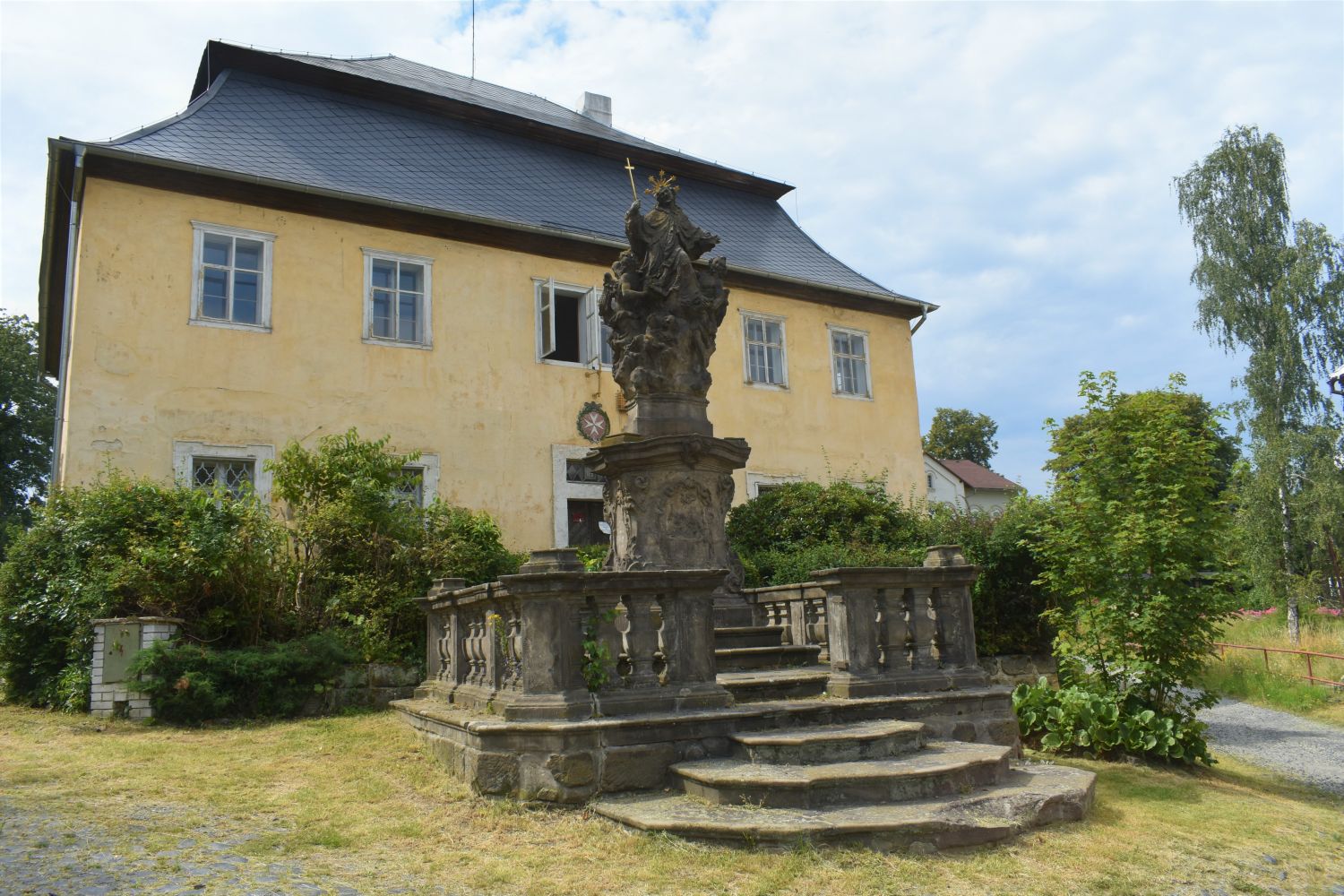
There are several historical monuments in the village. These include the local rectory building No. 114 and several examples of folk architecture - timbered cottage No. 95, former mill No. 269, former fortress No. 294 and house No. 198. There is also a sculpture of St. John of Nepomuk, the Holy Virgin Mary and chapels in the village and its surroundings.