170 years at the intersection of glass, light, and design. The Šenov Glass Technical School draws on tradition while keeping pace with modern trends
The Secondary School of Applied Arts for Glassmaking in Kamenický Šenov is celebrating its 170th anniversary this year. How is the world’s oldest operating secondary school of applied arts for glassmaking—whose influence has long extended beyond the region’s borders—managing to keep pace in an ever-accelerating world?
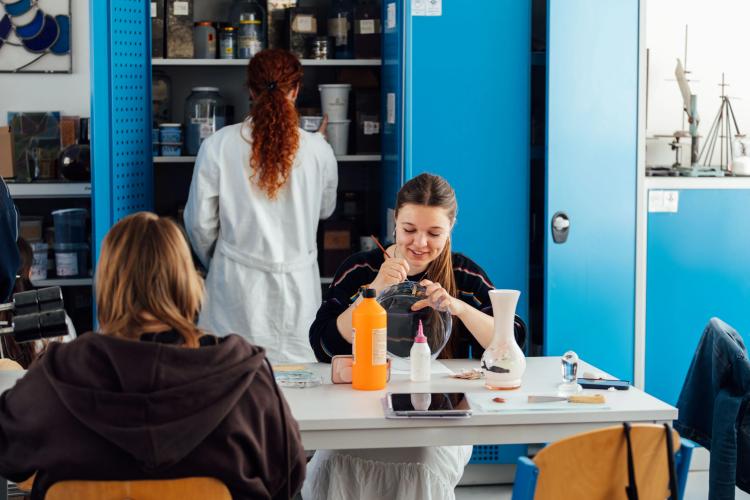
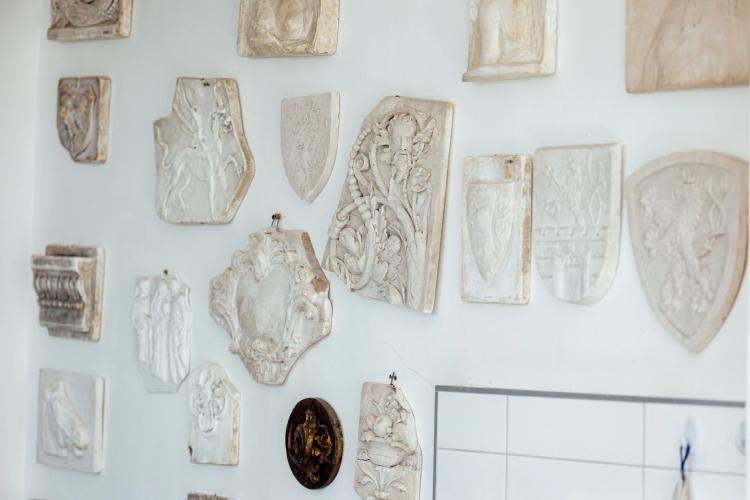
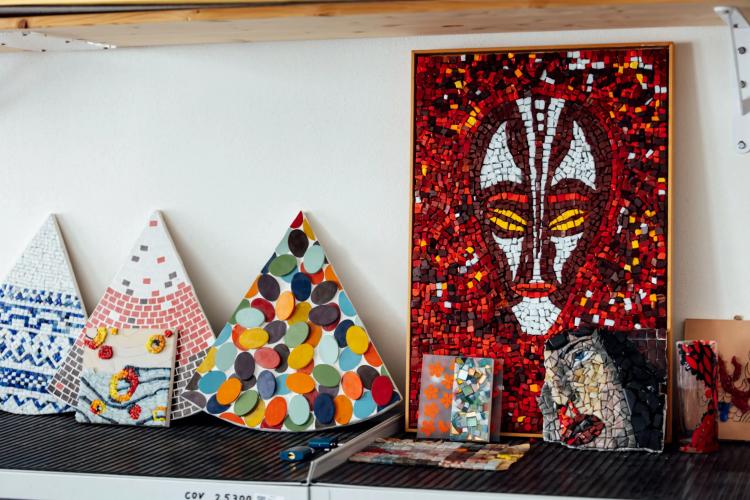
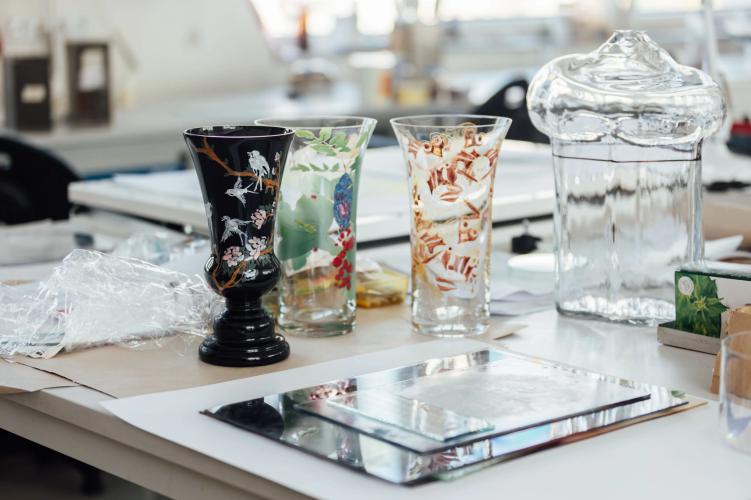
Seventeen decades is a long time—but if we look at the roots of SUPŠS, we go even further back in history. The institution traces its origins to a Sunday drawing school established in 1839. This is reflected in its academic offerings: students can enroll in applied painting or in the field of artistic glasswork and light objects.
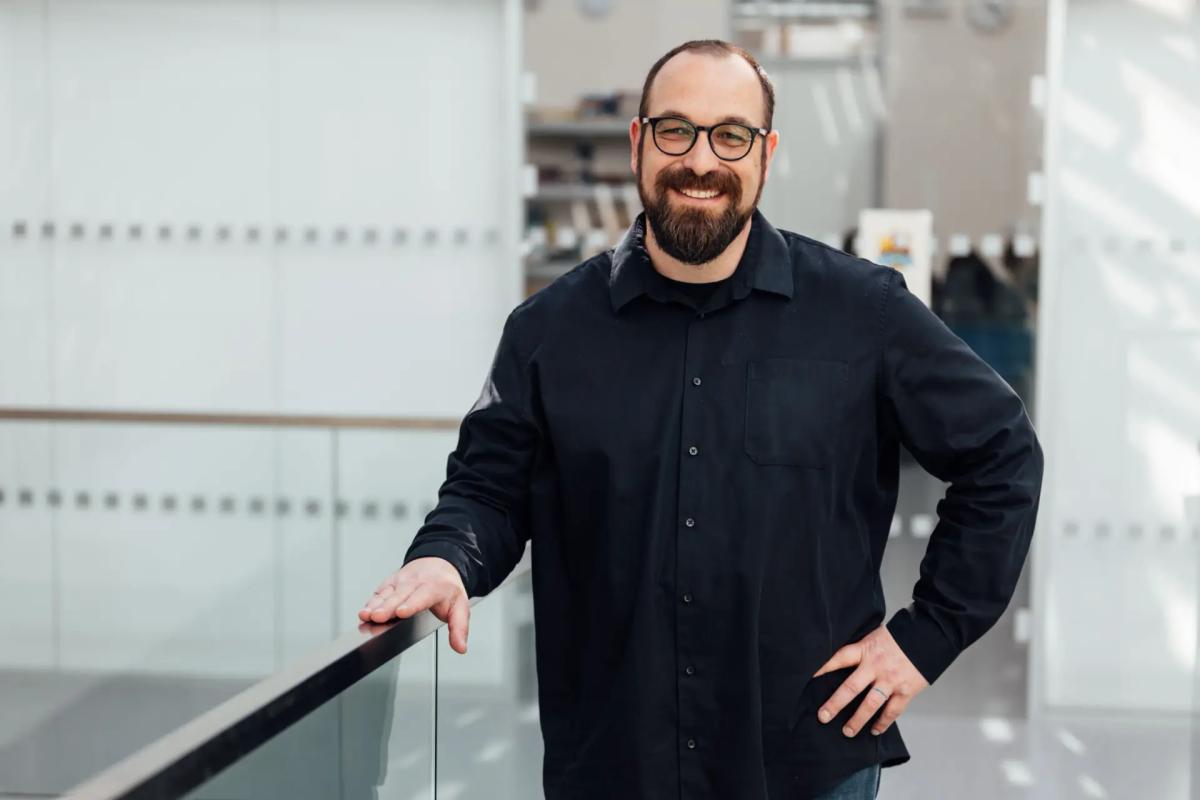
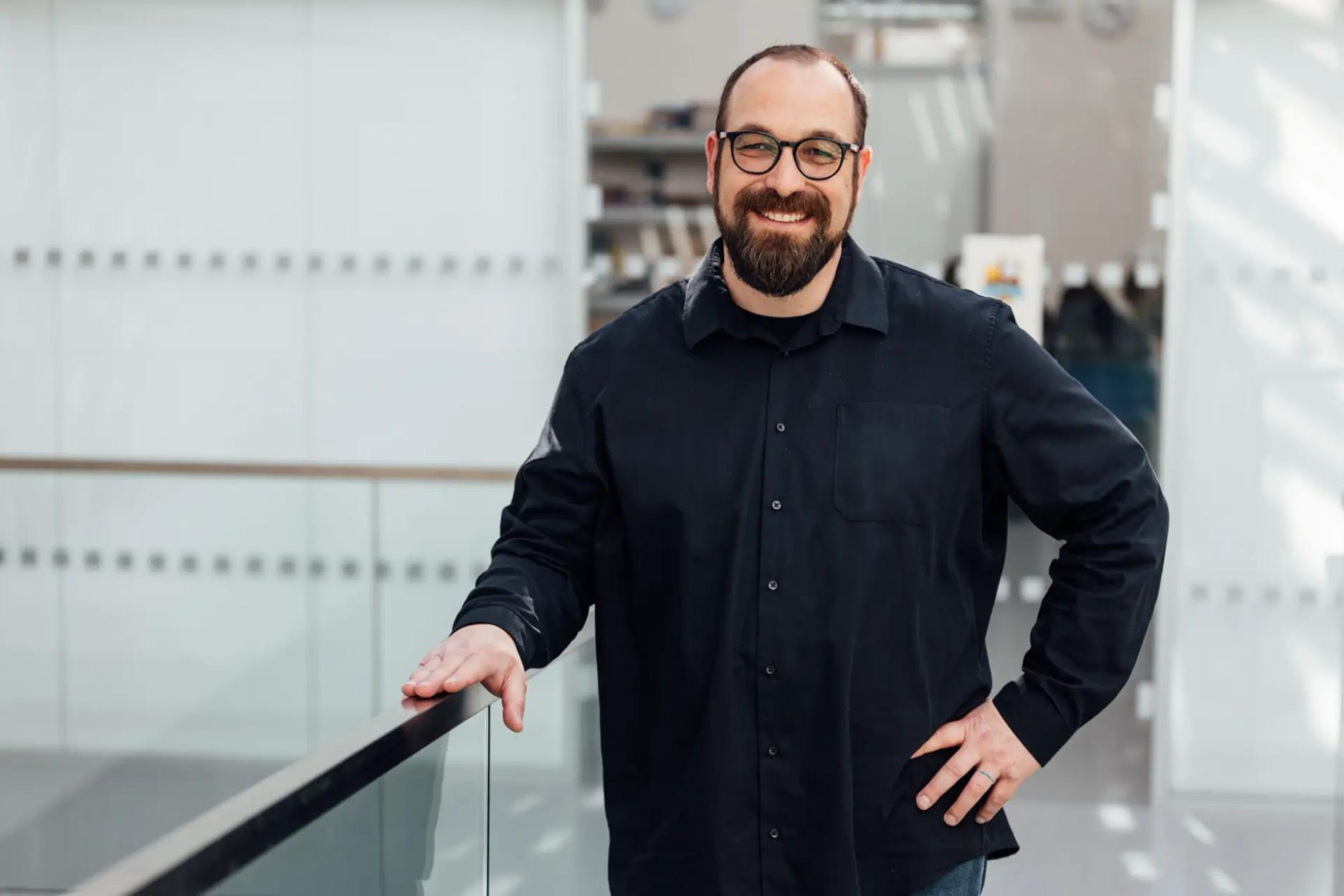
Among other art and design schools, the one in Kamenický Šenov stands out for its practical focus and the integration of modern technologies into teaching. “Our school builds on the legacy of the local region, which has been linked to glassmaking and lighting fixture production for generations. At the same time, we are not merely guardians of tradition—we are actively advancing the field, responding to current challenges, and preparing students for real-world careers in creative fields as well as the broader professional world,” says school director Jakub Jelínek.
He knows a thing or two about career opportunities after graduating from SUPŠS. He himself left its gates—with a high school diploma in hand—in 1997. After nearly two decades, he returned, this time in a somewhat different role.
Art Glassmaking 2.0: It Can’t Be Done Without Digitalization
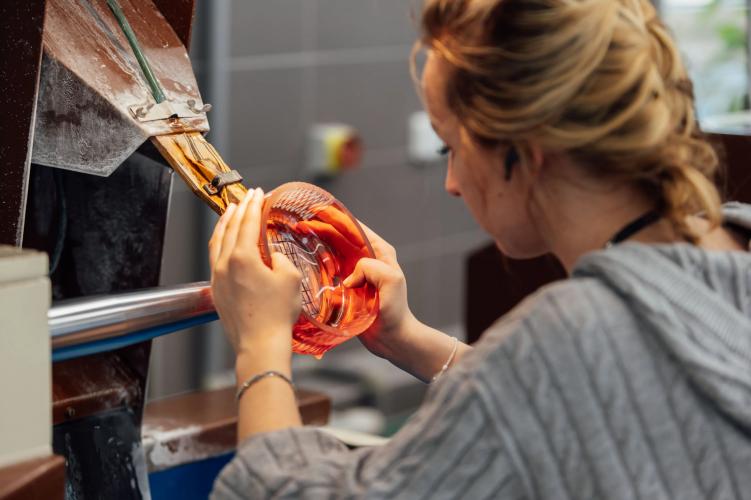
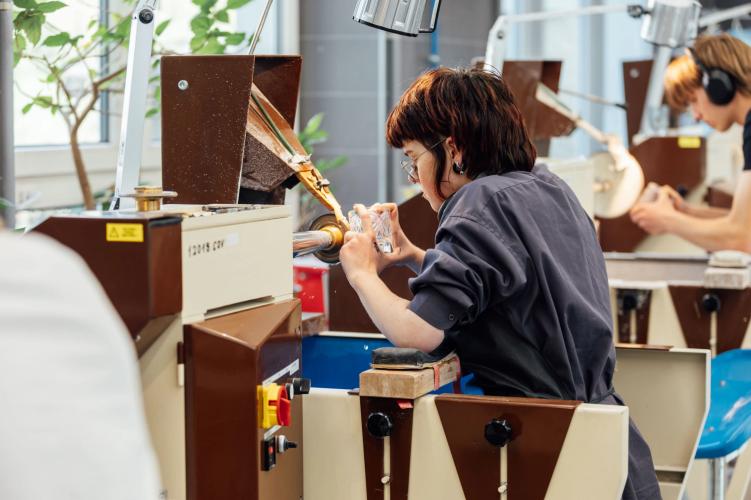
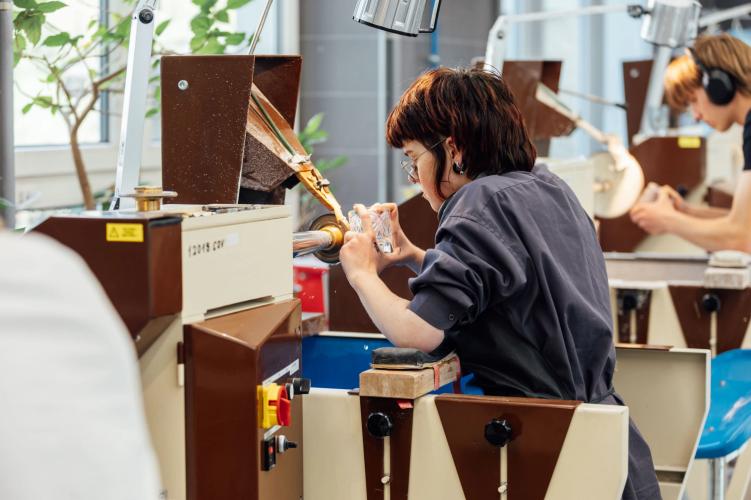
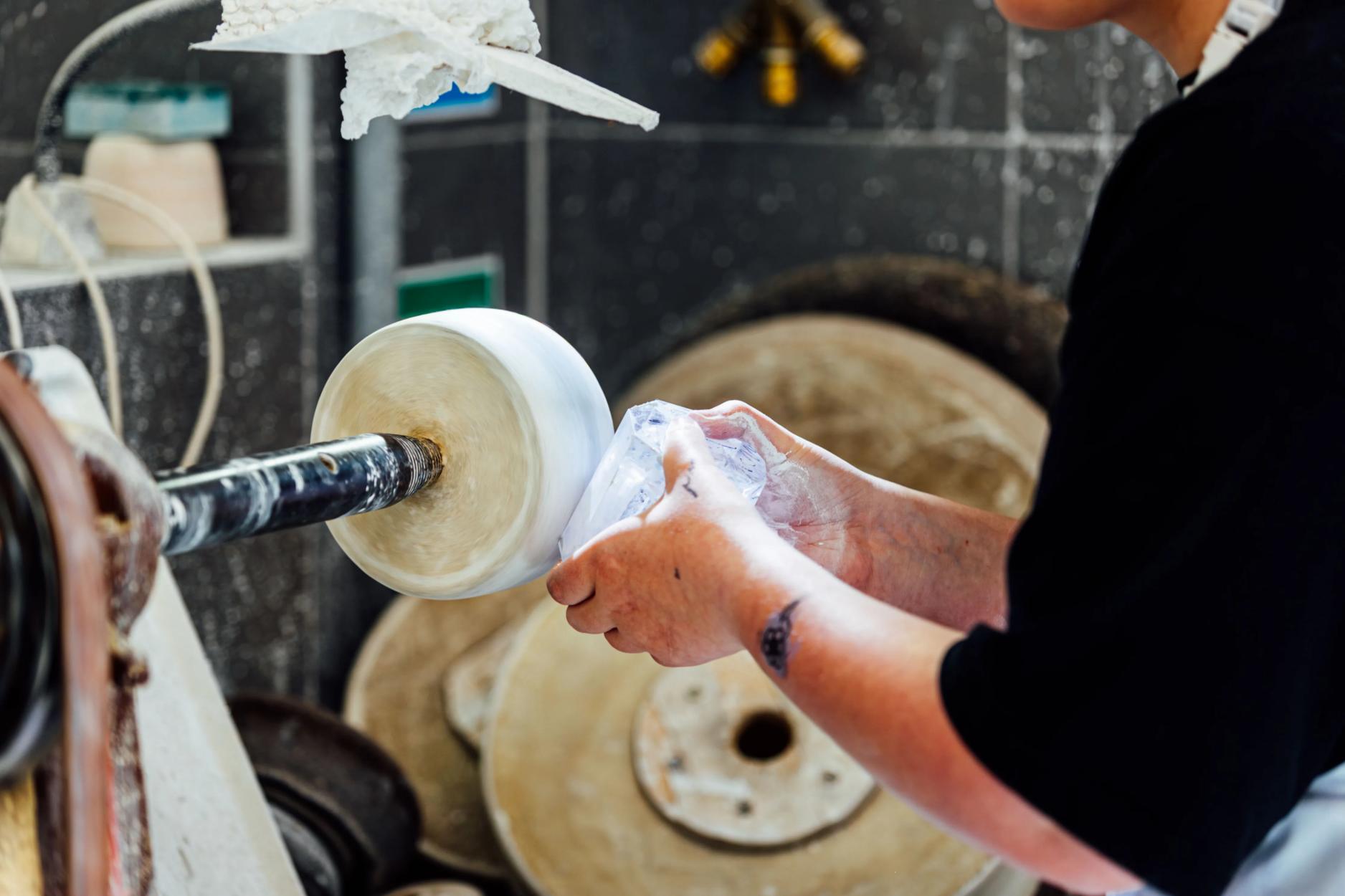
“In recent years, we’ve transformed from a vocational school into a modern educational center. We teach our students to create 3D computer models, understand electrical installations, and weld metals. We guide them to understand the nature of materials, design and craft their work, and then prepare technical documentation for it,” explains Jakub Jelínek.
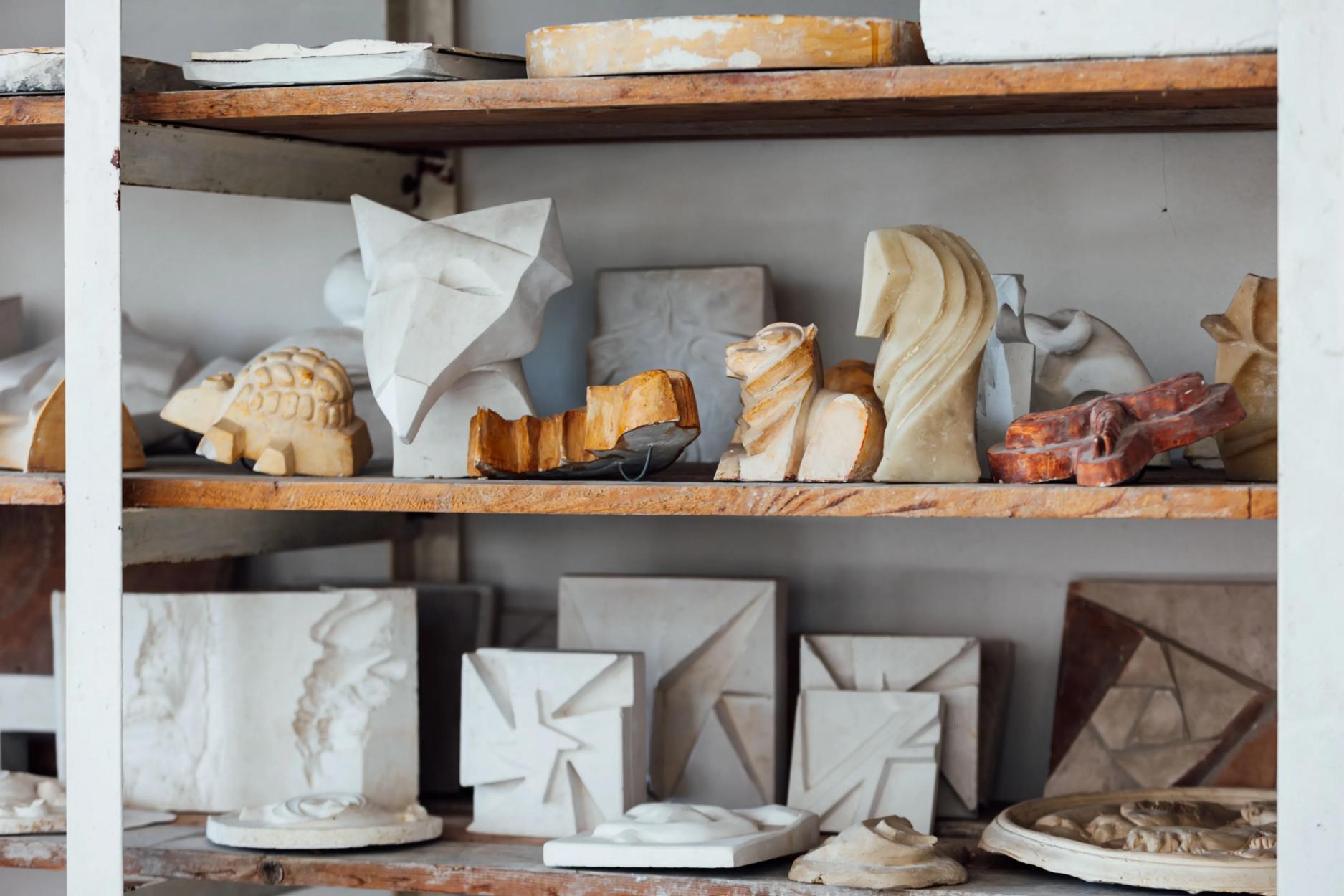
From the very beginning of their studies, students jump right into the whirlwind of real-world commissions. The school workshops function as professional studios where design objects, lighting fixtures, or trophies are created for external clients. This is how, for example, the awards for the winners of the Czech Guide Dog Championship or for the Regional Development Agency and its Techstarter program were created.
“Without a connection to the real world, we would start to stagnate,” explains Jakub Jelínek. Long-term partnerships with brands like Preciosa and Crystalex complement the synergy with the Secondary School of Art in Liberec. “Future photographers handle the visual presentation of products created by our students during their internships at Preciosa Lighting. Thanks to this, the students see the entire process—from the initial design in the studio through production to the final marketing phase,” he adds.
In the past, however, the technical school faced the threat of closure twice. In the 1950s, it survived a closure lasting several years due to the decline of the glass industry. At the beginning of the new millennium, it again withstood efforts to merge with the school in Nový Bor. At that time, it received significant support not only from the region but also from the international professional community.
The ARR also provided the impetus for change
The school’s development in recent years has also been aided by a partnership with the Regional Development Agency. The administration established this partnership eight years ago while seeking ways to modernize facilities, fill its programs with students, and better connect with the region and the professional world.
“Our collaboration with the ARR provides us with valuable know-how and greater confidence in implementing projects. It has also helped connect us with other experts,” says Jakub Jelínek. The partnership has gradually expanded to include lectures on artificial intelligence and its integration into teaching practice. The first meeting of the “AI in Schools” series
took place in Kamenický Šenov, with the next one held at the Technical University of Liberec. During the discussion, the school’s then-director, Pavel Kopřiva, spoke, among other things, about the growing importance of teachers’ roles in the age of generated content.
The school is also inextricably linked to the Crystal Valley project, which brings together and promotes glassmaking companies and institutions in the region. It participates in joint events and, as a representative of glassmaking education, is also part of the advisory board. According to Jelínek, all of this brings many opportunities to be seen—the Crystal Valley Week festival showcases student work, and Kamenický Šenov will also have a place at the affiliated PechaKucha Night Liberec.
But before that, the school will open its doors to the public as part of the local Lustrfest—an open-air festival of glass and lighting fixtures, the concept for which was born right here on its grounds. During the event, visitors will be able to tour the classrooms, workshops, and school gallery, and even try their hand at working with glass.
This year’s Lustrfest, taking place in Kamenický Šenov on Friday and Saturday, June 12 and 13, will also have an anniversary theme. “By bringing together alumni, students, faculty, and the public right here in town, we want to cap off the celebrations marking 170 years since the school’s founding. People who have graduated from the school, as well as those just discovering the art of glassmaking, will return to the town for a single weekend,” concludes Jakub Jelínek.
Come join us at Lustrfest 2026!