
LASVIT
Lasvit is a Czech glass design and manufacturing company founded in 2007 that has brought Czech glass to international prominence. Headquartered in Nový Bor, in the heart of the North Bohemian glass-making region, the company combines centuries-old craftsmanship with modern technologies and first-rate design. In collaboration with leading architects and designers from around the world, the company creates original works of glass art, custom-made lighting fixtures, and architectural installations—ranging from hotels, residences, and palaces to embassies, yachts, and public spaces. The company operates on a global scale and has branches, showrooms, and showcase projects in Europe, the United States, the Middle East, Africa, Asia, and the Pacific region. Today, works bearing the Lasvit brand adorn more than two thousand interiors and buildings around the world.
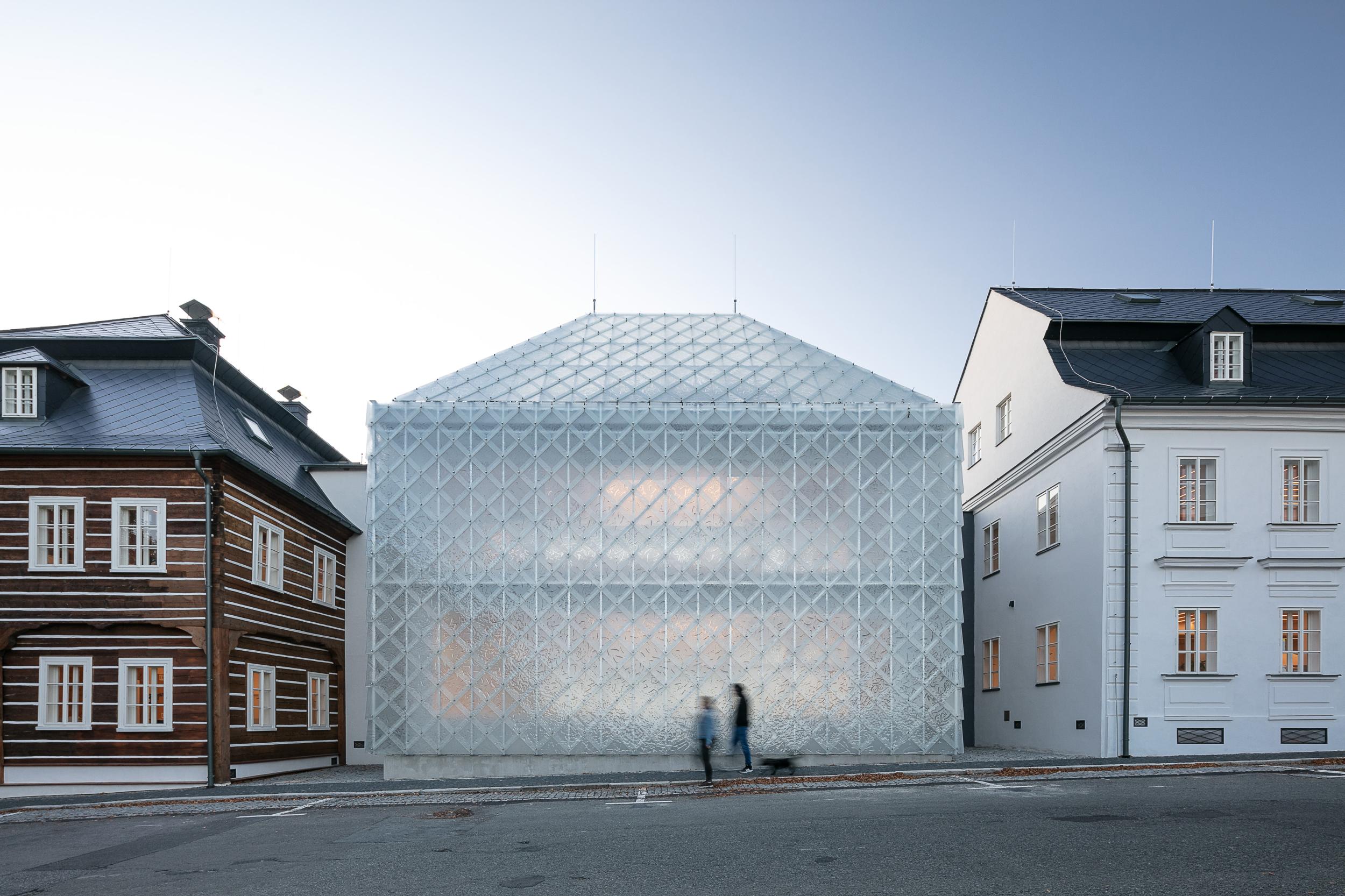
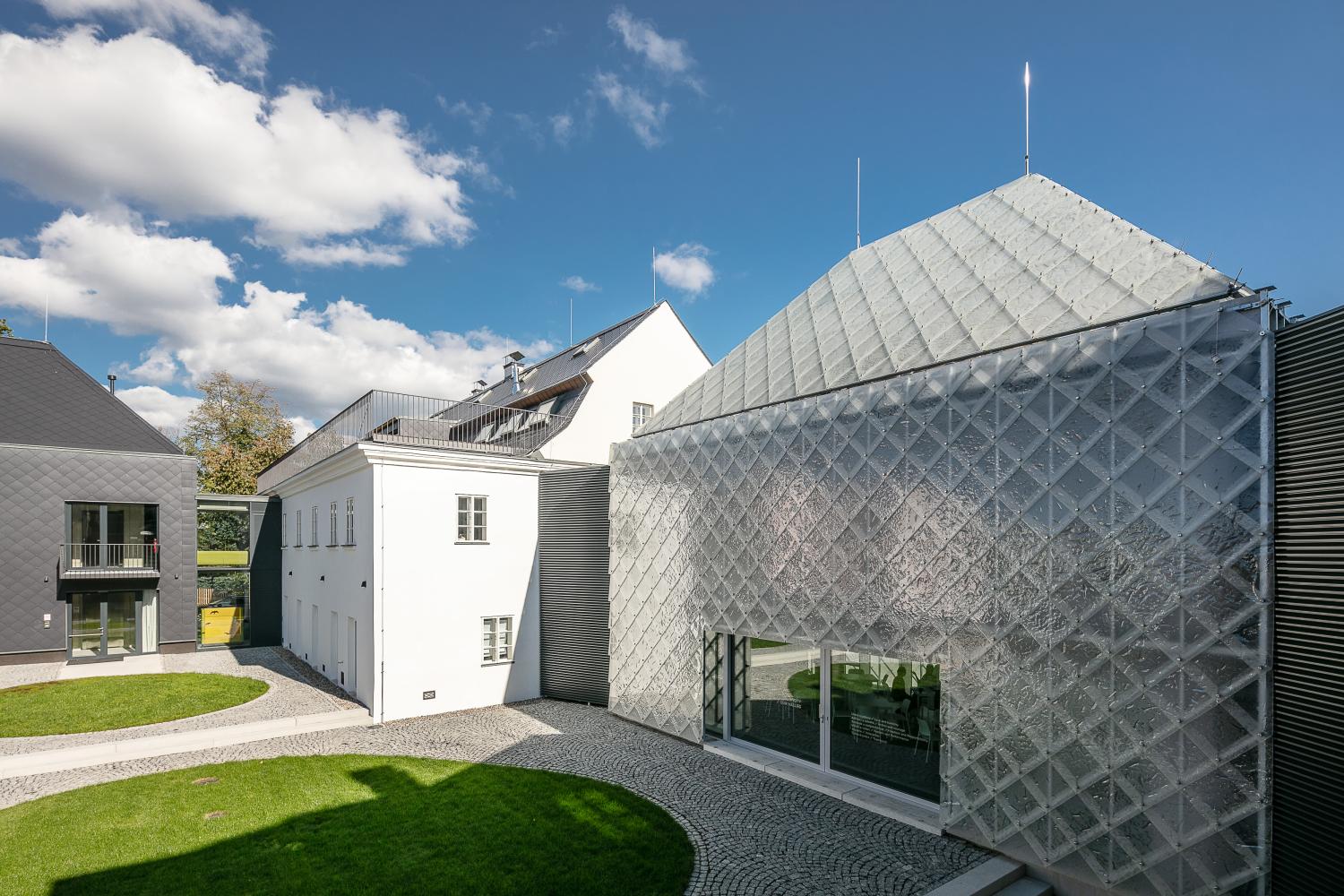
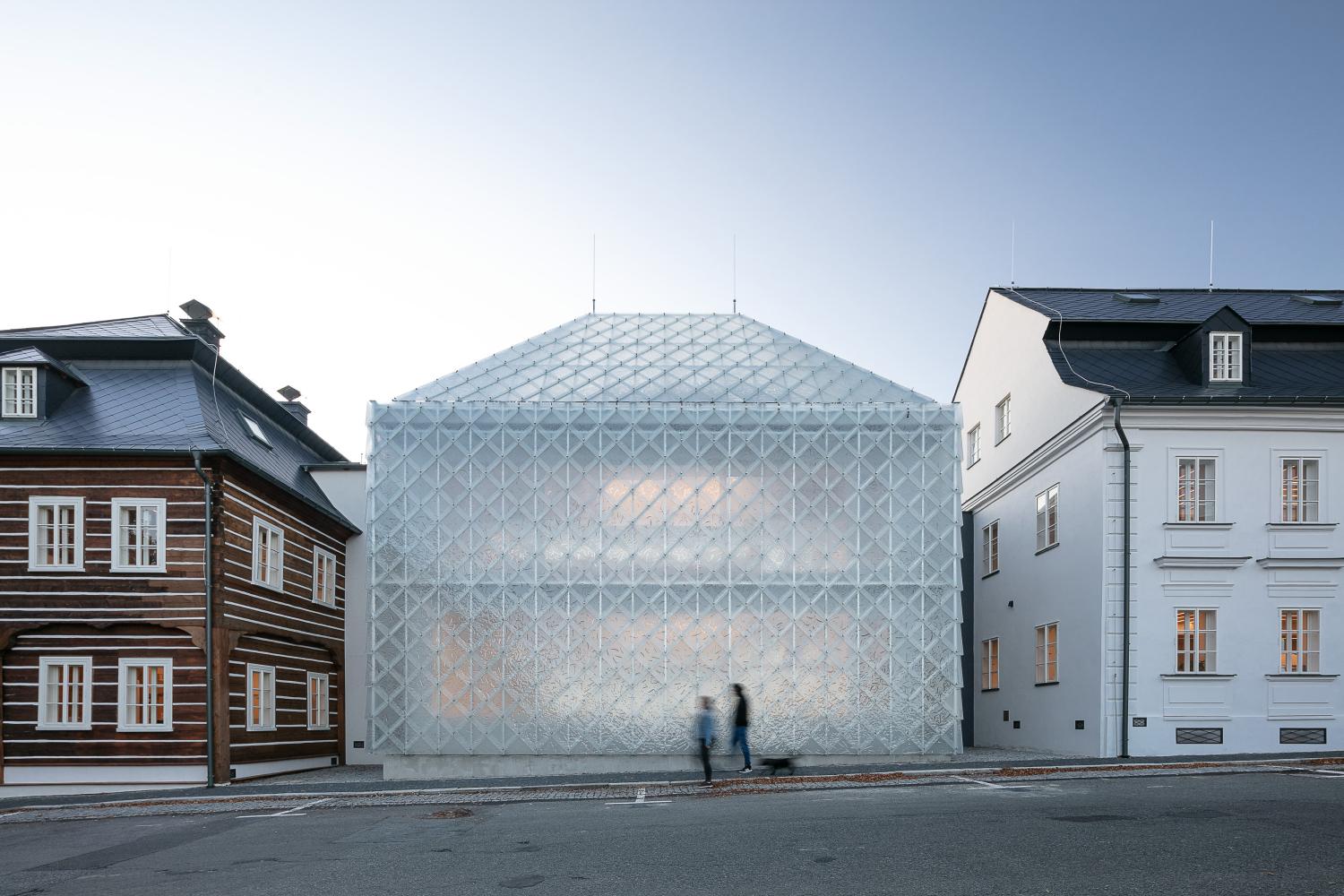
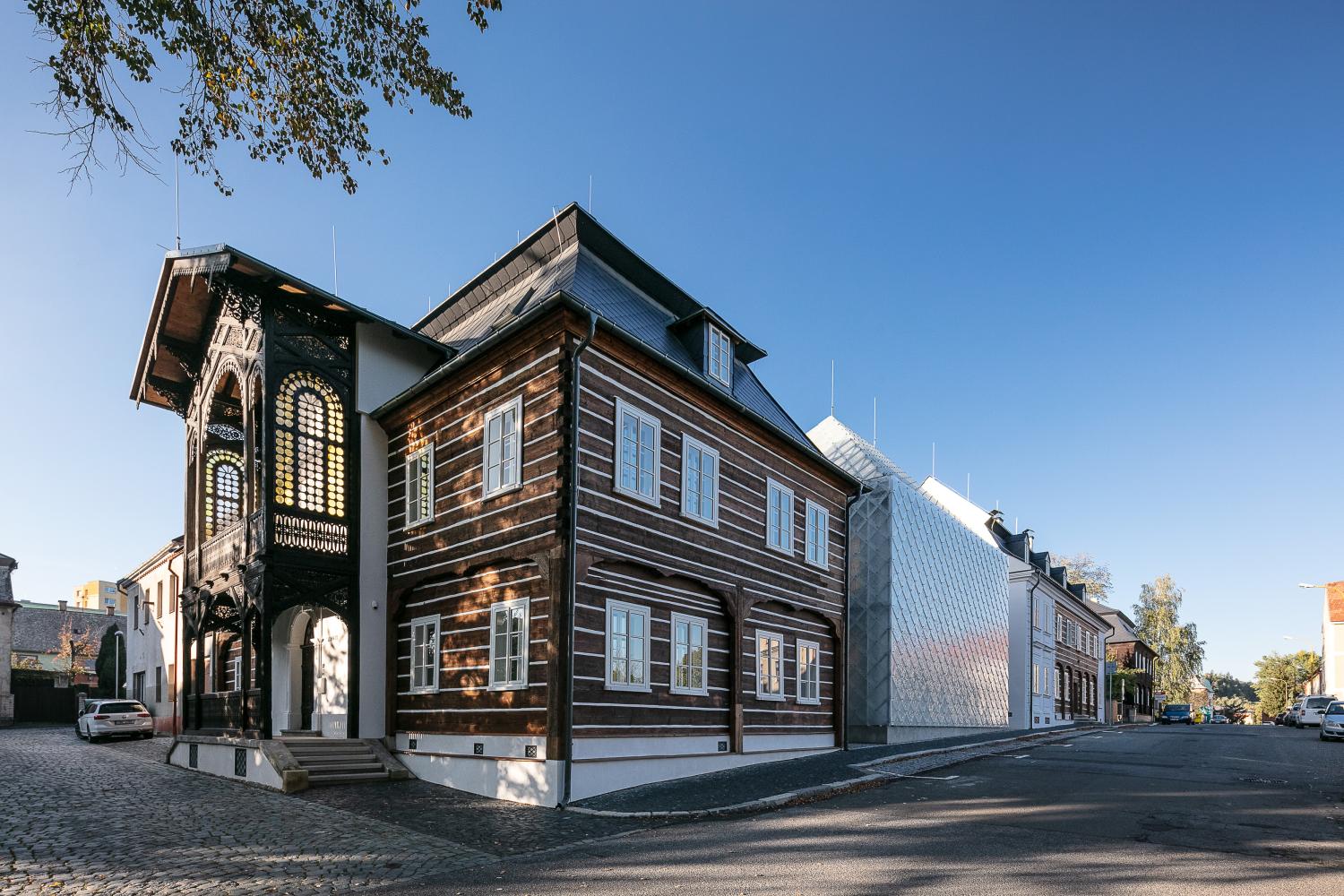
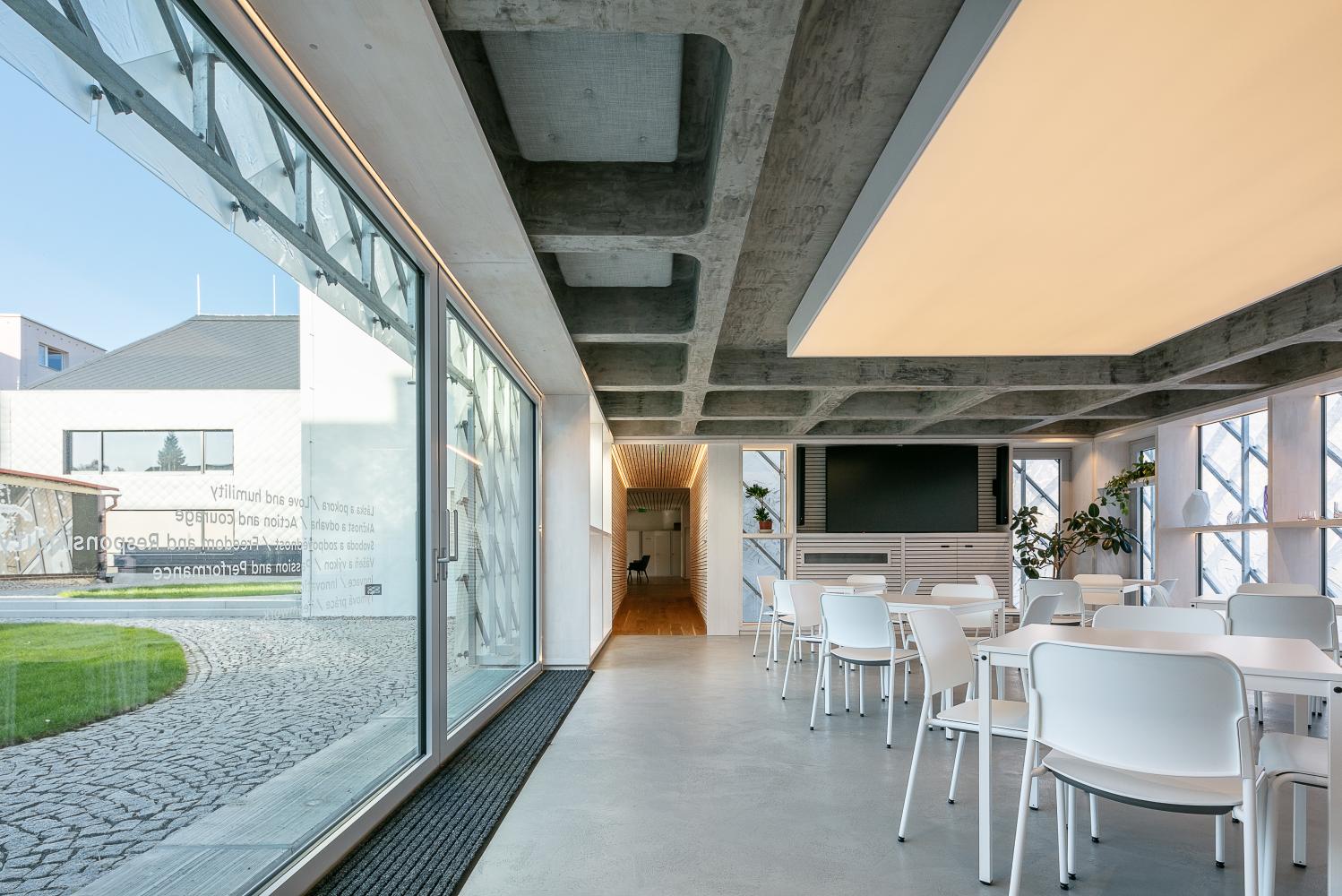
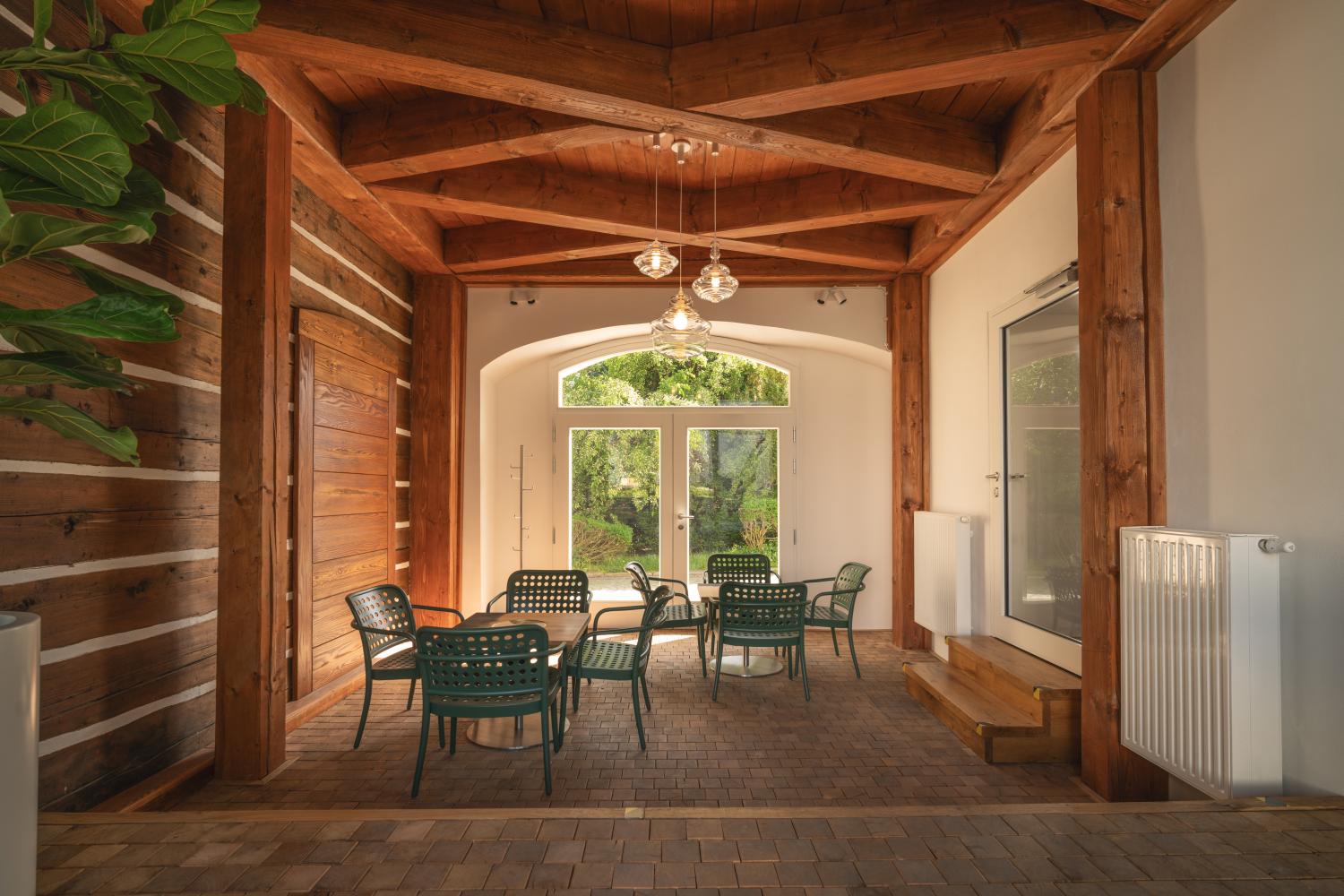
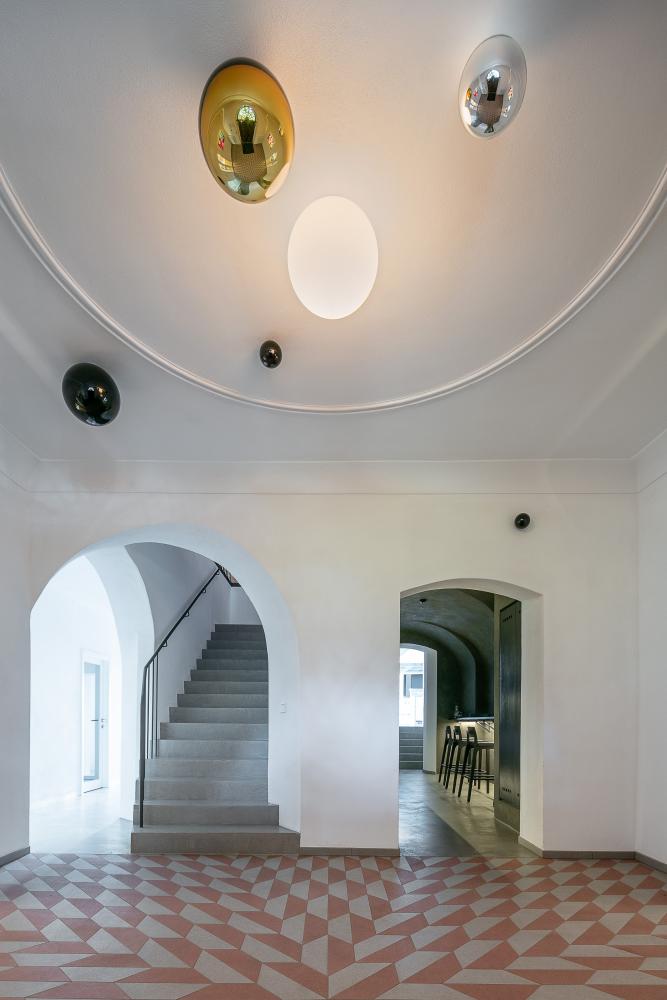
Lasvit’s roots run deep into the history of the family of its founder, Leon Jakimič, whose ancestors had been working with glass for six generations. The company itself was founded in 2007 and quickly gained global recognition for its bold approach to combining traditional glass craftsmanship with daring design and modern technologies. In 2019, Lasvit opened its new headquarters directly on Palackého Square in Nový Bor, on a site where glass workshops had been located since the late 18th century. The historic log buildings were carefully restored by architects from the OV-A firm (Štěpán Valouch and Jiří Opočenský) and complemented by two new structures—“The Glass House” and “The Black House,” which is used for testing installations. The project went on to win first place in the Czech Architecture Award competition, as well as the international Dezeen Award for the best office building of 2020.
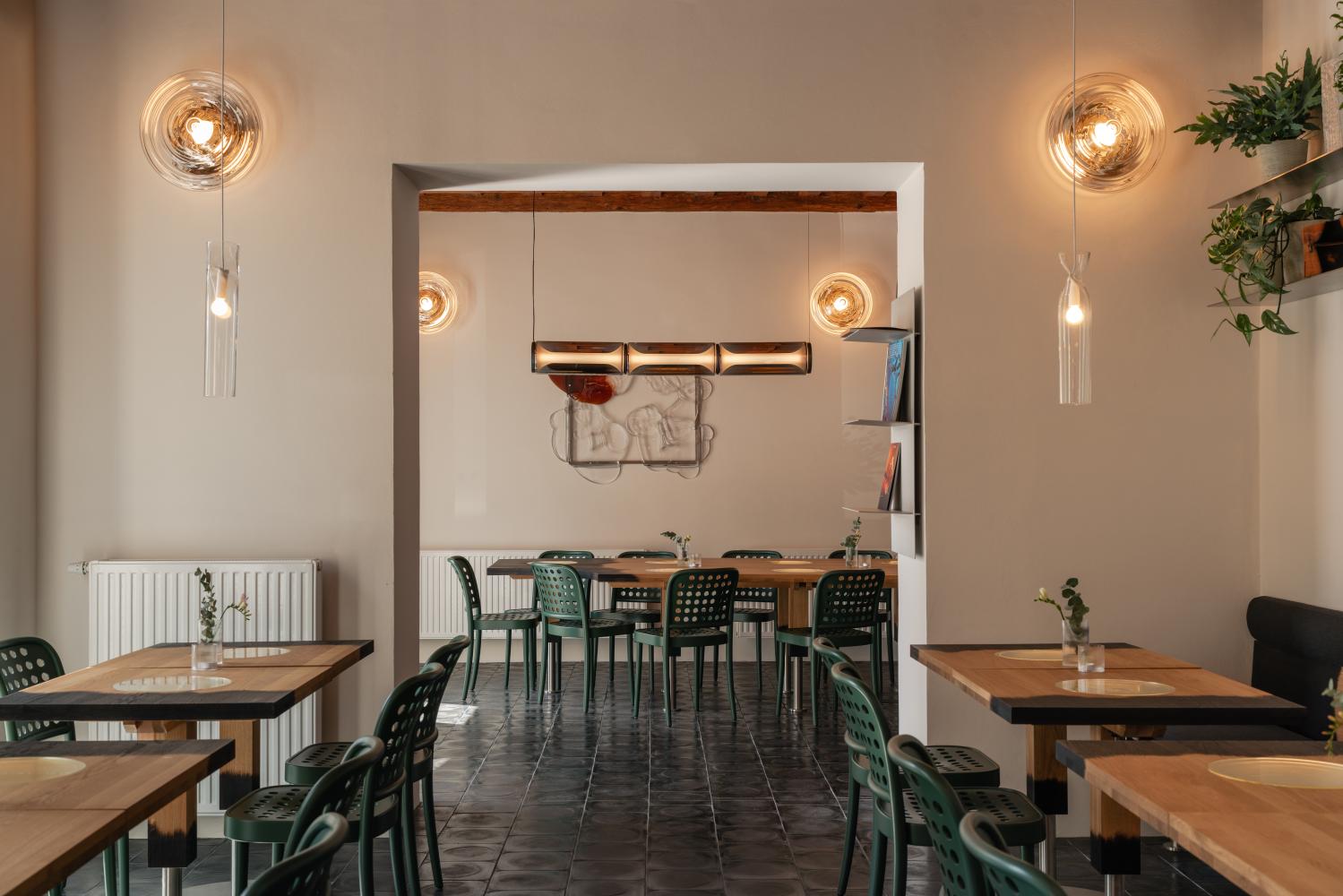
Lasvit’s headquarters in Nový Bor is also open to visitors. During a guided tour, you can go behind the scenes of the production of glass artworks, walk through the Glass House, and take a look at the historic well that was discovered during the renovation. With a bit of luck, you might also get to peek inside the “Black House” just as an installation is being tested there—the very same one you might see on the other side of the world in a few months. After the guided tour, it’s worth enjoying a cup of coffee at the Lasvit Café—a cozy space designed according to the concept “In Good Hands” by architect Alan Prekop, where the tables are adorned with illuminated glass plates by Maxim Velčovský, and the walls feature cast-glass works by Mária Čulenová, as well as the “Grain of Sand” mirror by Jana Růžičková. The café also serves as an exhibition space for selected collections of lighting fixtures and glass accessories—you can follow the latest updates on [Instagram @lasvitcafe](https://www.instagram.com/lasvitcafe/). Guided tours of the Lasvit headquarters take place every Friday in Czech, and in English by prior arrangement; reservations can be made online via [Reservio](https://lasvit.reservio.com/). The tour costs a nominal 100 Kč; children under 10 are admitted free of charge, and all proceeds go toward the Lasvit Foundation’s charitable projects.


